• In recent years, there has been a quiet but significant resurgence of interest in iridology, the practice of examining patterns, colors, and structures of the iris to gain insight into an individual’s physical, emotional, and psychological profile. Often relegated to the periphery of mainstream health sciences, iridology is now garnering attention from researchers who are reexamining its claims with renewed curiosity and improved scientific instrumentation. In a cultural landscape once dominated by astrology for personal insight, iridology is emerging as a new lens—both literally and figuratively—through which individuals can explore their innate traits and potential trajectories.

    A Historical Perspective on Iridology

    Iridology has roots in 19th-century Europe, notably through the work of Ignaz von Peczely, a Hungarian physician who proposed that the iris reflects changes in bodily organs. Later developed further by researchers like Dr. Bernard Jensen in the United States, the field has traditionally been focused on physical health diagnostics. However, a growing body of contemporary practitioners and researchers are expanding the scope of iridology to explore psychosomatic correlations and predictive behavioral traits.

    The Iris as a Biometric and Psychometric Tool

    From a scientific standpoint, the iris is a complex neuro-optic structure composed of more than 28,000 nerve endings and muscle fibers. The patterns embedded within the iris are unique to each individual and remain stable throughout life—more so than fingerprints. This biological stability makes the iris not only a valuable biometric marker but also a candidate for revealing constitutional tendencies, much like genetic markers.

    Emerging studies in neuro-ophthalmology and psychophysiology suggest that the iris may contain indirect indicators of autonomic nervous system tone, constitutional stress response, and neurodevelopmental patterns. When examined through high-resolution imaging and interpreted using established iridological charts, practitioners claim that the iris can reveal:

    • Temperamental tendencies (e.g., resilience, impulsivity, introversion)
    • Stress and coping styles (e.g., adrenal dominance, parasympathetic withdrawal)
    • Energetic predispositions (e.g., mental overactivity vs. physical vitality)
    • Risk factors for systemic imbalances

    These insights parallel the personality archetypes and predictive forecasts commonly associated with astrology, thus positioning iridology as a bioenergetic analog to zodiac-based systems.

    From Zodiac Signs to Iris Types: A Shift in Personal Insight

    Astrology traditionally assigns personality traits and forecasts based on the positions of celestial bodies at birth. While astrology offers a symbolic and archetypal language for understanding human nature, iridology grounds its insights in anatomical observation. Recent iridological frameworks, such as the Rayid Model, attempt to classify individuals into types based on iris fiber structure (e.g., stream, flower, jewel), associating these types with behavioral patterns, relationship styles, and life themes.

    For example:

    • Jewel-type irises (with distinct pigment dots) are associated with intellectualism, emotional detachment, and the need for mental control.
    • Flower-type irises (with petal-like patterns) suggest creativity, emotional expressiveness, and adaptability.
    • Stream-type irises (densely woven fibers) are linked to resilience, duty, and groundedness.

    Such typologies offer a parallel to astrological signs (e.g., Virgo’s analytical nature, Pisces’ emotional sensitivity) and serve a similar purpose: guiding self-reflection, interpersonal understanding, and lifestyle alignment.

    Can Iridology Predict the Future?

    While iridology does not claim to predict future events with the same narrative flair as astrology, it can indicate potential health challenges, behavioral tendencies, and life cycles. For instance, an iridologist may identify constitutional weaknesses that, if unaddressed, could manifest as chronic conditions. Likewise, certain iris structures may reflect inner conflicts or patterns that, without conscious intervention, tend to recur in relationships or career decisions.

    In this sense, iridology functions not as a fortune-telling device but as a predictive wellness map, offering clients an opportunity to make informed decisions, improve resilience, and align with their innate constitution.

    Integrating Iridology into Modern Wellness Frameworks

    The rise of personalized medicine, psychogenomics, and integrative health care creates a fertile ground for the reintroduction of iridology—not as pseudoscience, but as an adjunctive diagnostic tool. High-resolution iris photography, AI-based iris pattern recognition, and cross-disciplinary research are making it possible to quantify and validate long-standing iridological observations.

    Moreover, wellness seekers today are not just looking for medical answers; they seek meaning, insight, and direction—roles traditionally filled by astrology. Iridology, with its combination of empirical observation and personality insight, may provide a compelling bridge between science and self-understanding.


    Conclusion

    As society seeks more grounded yet individualized approaches to self-discovery and health optimization, iridology may well become the “new astrology”—not by replacing the stars, but by offering an introspective mirror rooted in our own biological design. The eye, as the poet once said, may be the window to the soul—but through the lens of iridology, it may also be the map to our future.
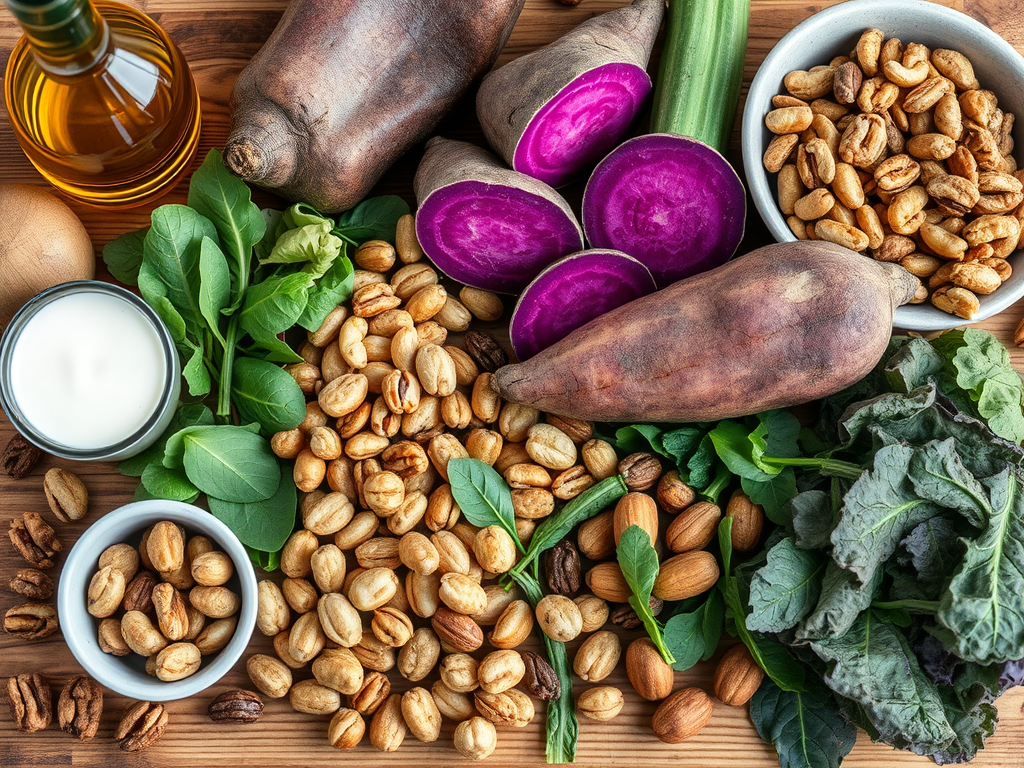

  • 10 Anti-Aging Foods Backed by Blue Zone Wisdom and Nutritional Science

    Aging is an inevitable biological process, but how we age—both in terms of health and appearance—can be profoundly influenced by the food we consume. In this blog we will see how certain foods can nourish the body at the cellular level, reduce inflammation, and support longevity.

    Below is a curated list of 10 anti-aging superfoods, inspired by traditional diets in Okinawa (Japan), Ikaria (Greece), Sardinia (Italy), Nicoya (Costa Rica), and Loma Linda (California).


    1. Extra Virgin Olive Oil

    Why It’s Anti-Aging:
    Packed with monounsaturated fats and polyphenols, extra virgin olive oil reduces oxidative stress, inflammation, and supports cardiovascular health—key factors in slowing biological aging.

    Health Benefits:

    • Enhances skin elasticity and hydration
    • Lowers risk of heart disease and stroke
    • Protects against cognitive decline

    Blue Zone Insight:
    Daily consumption of olive oil is a hallmark of the Mediterranean diet, particularly in Ikaria and Sardinia.


    2. Sweet Potatoes (especially Purple Sweet Potatoes)

    Why It’s Anti-Aging:
    Rich in anthocyanins and beta-carotene, sweet potatoes support cellular regeneration and immune function.

    Health Benefits:

    • Promotes healthy skin through vitamin A
    • Reduces risk of chronic disease with anti-inflammatory compounds
    • Enhances gut health with fiber

    Blue Zone Insight:
    In Okinawa, purple sweet potatoes are a dietary staple linked to low rates of dementia and heart disease.


    3. Fermented Foods (e.g., Kimchi, Yogurt, Miso, Sauerkraut)

    Why It’s Anti-Aging:
    Fermented foods support gut microbiota, which in turn affects immune function, skin health, and mood—key components of aging gracefully.

    Health Benefits:

    • Improves digestion and nutrient absorption
    • Enhances immune defense
    • Reduces systemic inflammation

    Blue Zone Insight:
    Miso soup and natto are common in Okinawa, while yogurt features prominently in the diets of Sardinians.


    4. Nuts (especially Walnuts and Almonds)

    Why It’s Anti-Aging:
    Nuts are rich in healthy fats, protein, vitamin E, and antioxidants, all of which help maintain skin integrity and reduce the risk of age-related disease.

    Health Benefits:

    • Improves cognitive function
    • Lowers LDL cholesterol
    • Provides sustained energy and skin hydration

    Blue Zone Insight:
    Loma Linda’s Adventists consume a variety of nuts daily, contributing to their extended lifespan.


    5. Leafy Greens (Spinach, Kale, Swiss Chard)

    Why It’s Anti-Aging:
    High in antioxidants, fiber, and phytonutrients, leafy greens reduce DNA damage and help maintain a healthy weight.

    Health Benefits:

    • Promotes collagen production
    • Protects eyes with lutein and zeaxanthin
    • Balances blood sugar levels

    Blue Zone Insight:
    Wild greens like dandelion are consumed regularly in Ikaria, known for their anti-inflammatory properties.


    6. Legumes (Lentils, Chickpeas, Black Beans)

    Why It’s Anti-Aging:
    Legumes provide plant-based protein, resistant starch, and a range of micronutrients that support metabolic health and reduce cellular aging.

    Health Benefits:

    • Regulates blood sugar and cholesterol
    • Increases satiety and aids in weight control
    • Supplies polyphenols with anti-aging properties

    Blue Zone Insight:
    All Blue Zones include legumes as dietary staples, often replacing meat in daily meals.


    7. Berries (Blueberries, Goji Berries, Acai)

    Why It’s Anti-Aging:
    Berries are among the richest sources of antioxidants, particularly anthocyanins and flavonoids, which combat oxidative stress and premature aging.

    Health Benefits:

    • Supports cognitive health and memory
    • Reduces skin aging signs like wrinkles and dullness
    • Strengthens immune resilience

    Clinical Insight:
    Berries are often prescribed in anti-aging nutrition protocols for their brain-protective effects.


    8. Avocados

    Why It’s Anti-Aging:
    Avocados contain healthy fats, vitamin E, and glutathione—nutrients that protect skin and organs from oxidative damage.

    Health Benefits:

    • Maintains skin elasticity and reduces dryness
    • Supports heart and brain function
    • Balances hormones and blood pressure

    Global Insight:
    Though not native to all Blue Zones, avocados fit well into anti-aging diets due to their nutrient density.


    9. Green Tea

    Why It’s Anti-Aging:
    Green tea is rich in catechins, particularly EGCG (epigallocatechin gallate), which has been linked to longevity, weight control, and reduced risk of chronic illness.

    Health Benefits:

    • Protects against UV damage to skin
    • Improves mental clarity and alertness
    • Reduces the risk of cancer and cardiovascular disease

    Blue Zone Insight:
    In Okinawa, centenarians drink green tea infused with jasmine daily.


    10. Turmeric

    Why It’s Anti-Aging:
    Turmeric’s active compound, curcumin, has powerful anti-inflammatory and antioxidant effects, helping to delay cellular aging.

    Health Benefits:

    • Enhances brain-derived neurotrophic factor (BDNF)
    • Prevents joint degeneration
    • Supports liver detoxification

    Culinary Use:
    Incorporating turmeric into soups, teas, and stews boosts both flavor and longevity.


    Final Thoughts

    True anti-aging is about more than skin-deep beauty—it is about cellular vitality, resilience, and quality of life. The most effective approach is not isolated supplementation but a holistic, food-first strategy rooted in time-tested traditions. By consistently integrating these ten foods into your daily meals, you nurture your body’s natural ability to age gracefully, energetically, and beautifully.

  • How to Become a Solopreneur in the Artificial Intelligence Era?

    How to Become a Solopreneur in the AI Era is a practical guide for aspiring digital entrepreneurs ready to launch solo ventures using the power of artificial intelligence and no-code tools. From identifying a profitable idea to building and automating your business without writing a single line of code, this eBook walks you step-by-step through the journey of creating, launching, and scaling your AI-powered service or product. Packed with real tools, workflow templates, and growth tips, it’s your blueprint to thrive as a modern solopreneur in the AI-driven economy.

    This eBook is a step-by-step roadmap designed to help individuals launch and grow their own digital business by harnessing the power of AI and no-code tools—without the need for technical expertise or a large team. It begins with ideation techniques to identify marketable problems, then guides readers through designing an AI-enhanced solution, building a functional product or service using no-code platforms, and deploying it online. The eBook also covers how to automate workflows, set up a sales funnel, and monetize offerings through digital products, subscriptions, or AI services. A key feature is the focus on measuring success using real-time dashboards, allowing solopreneurs to track performance, customer behavior, and revenue. Whether you’re a freelancer, coach, content creator, or new entrepreneur, this guide provides the knowledge, tools, and confidence to build a lean, profitable business in the AI era—completely on your own.

    Get the ebook here:

    https://beeharry1.gumroad.com/l/hvffxs

  • In the world of anti-aging and longevity science, few figures have sparked as much curiosity and controversy as Bryan Johnson. The tech entrepreneur turned biohacker has become synonymous with extreme self-optimization, thanks to his multimillion-dollar anti-aging initiative known as Blueprint. But Johnson’s theory of anti-aging is more than just a high-budget experiment—it is a philosophical and scientific approach to radically extend human healthspan and even reverse biological age.


    Who Is Bryan Johnson?

    Bryan Johnson is best known as the founder of Braintree and Kernel, but in recent years he has taken on a new identity: the man who is trying to age backwards. In 2021, he launched Project Blueprint, a personal longevity experiment that uses cutting-edge diagnostics, AI, and a team of over 30 medical experts to manage every aspect of his biology.

    His results have been astonishing. According to published metrics, Johnson has achieved the heart of a 37-year-old, the skin of a 28-year-old, and the lung capacity of an 18-year-old—all while being chronologically over 45.


    The Theory: Treat the Body Like a Machine

    At the core of Johnson’s theory is the belief that the human body should be managed with the same precision as a high-performance system or piece of technology. He proposes that:

    “The best way to stay alive longer is to stop letting your human self make decisions about your health.”

    Johnson refers to this approach as “Don’t Die” Engineering—a systematic, data-driven method to suppress entropy, minimize damage, and optimize each organ system.

    Key tenets of his theory include:

    1. Biological Data Is King

    He tracks more than 1,000 biomarkers regularly, including epigenetic clocks, inflammation levels, sleep metrics, and organ-specific health scores. Johnson believes that comprehensive, frequent testing is the only way to make informed decisions about health.

    2. The Body as a Composite of Systems

    Rather than treating the body as one entity, Johnson separates it into organ systems—heart, liver, brain, lungs, etc.—each with its own targeted regimen. Each system is “asked” what it needs to function optimally, and decisions are made accordingly.

    3. Minimizing Human Judgment

    Johnson uses artificial intelligence and medical experts to make most of his health decisions. He believes humans are too emotionally reactive, biased, and inconsistent to make optimal long-term decisions for their bodies.

    4. The Anti-Aging Stack

    His protocol includes a meticulous daily routine involving:

    • A strict 1,977-calorie vegan diet
    • Daily exercise, including strength and cardio
    • Sleep optimization routines
    • Over 100 daily supplements and prescription medications
    • LED light therapy, microneedling, plasma exchanges, and more

    The Scientific Community: Admiration and Skepticism

    While Johnson’s results have generated intrigue, his methods have also drawn criticism. Many scientists argue that:

    • Generalizability is limited: His lifestyle requires extreme discipline, massive financial resources, and full-time medical monitoring.
    • Long-term effects are unknown: Some interventions, such as plasma exchange, are still experimental.
    • Mental health trade-offs: Critics question whether living under such strict constraints affects psychological well-being.

    Still, Johnson is pushing the boundaries of what is scientifically and philosophically possible in the pursuit of longevity.


    A New Paradigm of Aging?

    Bryan Johnson’s theory of anti-aging is as much about changing the cultural narrative around aging as it is about science. He challenges the idea that aging is inevitable and positions it instead as a problem to be solved—a software bug to be debugged.

    Whether or not his methods become mainstream, one thing is clear: Johnson has ignited a new kind of conversation around health, autonomy, and the future of the human body. His experiment may be extreme, but it raises a powerful question for all of us:

    What if aging is not a certainty—but a choice?


    Bryan Johnson’s anti-aging blueprint represents the intersection of cutting-edge science, personal responsibility, and futurist ambition. His theory reframes aging as a process we can monitor, optimize, and potentially reverse. As research continues and technology advances, his work may become the prototype for a future where aging is not feared—but engineered.


  • Research Goal and Methodology

    Objective: The paper examines whether Large Reasoning Models (LRMs) — language models that generate explicit chains of thought — truly engage in meaningful reasoning or merely simulate it.

    Method: The authors construct synthetic, compositional puzzles of scalable complexity to isolate reasoning behavior. They measure how performance changes across low, medium, and high complexity regimes and evaluate both answer accuracy and the quality of intermediate reasoning traces.

    Strengths: The synthetic benchmarks eliminate confounding factors like memorization and enable precise analysis of step-wise reasoning.

    Limitations: The reliance on artificial tasks may not generalize to real-world scenarios like medical diagnosis, legal argumentation, or commonsense reasoning.


    2. Key Findings: The Collapse of Reasoning

    The most important insight is the three-phase behavior of reasoning models:

    • Low complexity tasks: Direct answer prediction outperforms reasoning-based models.
    • Medium complexity tasks: Chain-of-thought reasoning improves performance, helping models structure multi-step logic.
    • High complexity tasks: Both answer accuracy and the coherence of reasoning traces decline dramatically, even when token budgets are sufficient.

    This suggests that while models can mimic step-by-step reasoning at moderate difficulty, they break down as logical depth increases.


    3. Technical Contributions

    • Synthetic reasoning framework: Tasks are designed using known algorithms and their complexity is finely controlled. This provides a clean and reproducible way to assess reasoning capabilities.
    • Effort metrics: Beyond accuracy, the paper introduces metrics for evaluating the plausibility and alignment of reasoning steps with the correct logical path.
    • Trace analysis: The work inspects the internal steps taken by models to detect whether they reason systematically or merely produce surface-level logic patterns.

    4. Identified Weaknesses in LRMs

    • Superficial logic: Chains of thought often look coherent but contain logical errors, missing steps, or hallucinated deductions.
    • Inconsistent strategies: Models change reasoning approaches mid-task, indicating a lack of stable problem-solving frameworks.
    • Underutilized token space: Even when given enough context length, models tend to cut reasoning short or insert irrelevant steps, indicating limitations in planning depth.

    5. Experimental Gaps and Concerns

    • Limited model scope: The experiments are centered around Apple’s internal models and Claude variants. It remains unclear whether other advanced models like GPT-4o or Gemini exhibit similar reasoning collapse.
    • Prompt sensitivity not addressed: The study doesn’t test whether improved prompt engineering could mitigate failure at higher complexities.
    • Absence of hybrid methods: The paper focuses solely on standalone LRMs and doesn’t explore augmentation strategies like retrieval-augmented generation, external tools, or symbolic solvers.

    6. Broader Context and Comparison

    The findings align with several prominent theories:

    • Models may not reason but instead simulate reasoning-like behavior through pattern completion.
    • Previous research on “LLMs as simulators” and “deliberation fatigue” support the observation that step-by-step reasoning often degrades with depth.
    • This paper offers rigorous empirical support for those theories using a controlled setup, advancing our understanding of the limits of autoregressive text models.

    7. Implications for Future Work

    • Training curricula: LLMs may benefit from structured, curriculum-style reasoning training across increasing complexity.
    • Tool integration: External memory, program execution, or reasoning APIs could support deep multi-step tasks that exceed LLM capabilities.
    • Trace verification: Models could be paired with verification agents that evaluate and correct reasoning traces in real time.
    • Benchmark evolution: There is value in using compositional diagnostics as a standard complement to real-world benchmarks.

    8. Philosophical Framing

    The paper’s title — “The Illusion of Thinking” — evokes classic philosophical ideas such as the Chinese Room argument, where symbol manipulation does not equal understanding. The results support the notion that current LLMs, even those that produce seemingly logical sequences, do not truly comprehend or generalize reasoning principles.


    Conclusion

    This is a well-structured and conceptually important paper. It challenges the prevailing assumption that longer reasoning traces equate to deeper thinking. It introduces precise tools for diagnosing reasoning behavior and uncovers a sharp boundary beyond which models fail to reason effectively. However, generalizability remains limited due to the synthetic nature of the tasks and the narrow model set.

    Final Evaluation: A significant contribution to understanding the limits of large language models’ reasoning capabilities. Methodologically strong and philosophically grounded, but it would benefit from expanded model diversity, prompt analysis, and testing on more ecologically valid tasks.

    Based on this paper from Apple: https://ml-site.cdn-apple.com/papers/the-illusion-of-thinking.pdf

    Reference articles:

    1. https://www.linkedin.com/pulse/illusion-thinking-we-using-ai-tools-without-how-think-philip-raw-mzcdf/?trackingId=h2U2VLLPQJqDtKyCLZ4Y7A%3D%3D

    2. https://www.linkedin.com/pulse/illusion-thinking-reality-creativity-frank-govaere-g9wcf/?trackingId=JH4qDCrCQcaAGyUw83D6Xg%3D%3D

  • Aging is inevitable, but how we care for our skin can significantly impact how gracefully we age. In an industry brimming with products making lofty promises, it can be hard to discern what actually works. To help you cut through the noise, we have compiled the top five anti-aging skincare ingredients that dermatologists consistently recommend. These ingredients are backed by clinical research and dermatological expertise, not marketing hype.


    1. Retinol (Vitamin A Derivative)

    Why Dermatologists Love It:
    Retinol is often considered the gold standard in anti-aging skincare. It promotes cell turnover, boosts collagen production, and helps diminish fine lines, wrinkles, and hyperpigmentation.

    How It Works:
    Retinol penetrates deep into the skin to stimulate fibroblasts—the cells responsible for collagen and elastin production. This process improves skin texture, tone, and firmness over time.

    Pro Tip:
    Start with a low concentration (0.25% to 0.5%) if you are new to retinol. Apply at night and always follow with sunscreen during the day.


    2. Hyaluronic Acid (HA)

    Why Dermatologists Love It:
    Hyaluronic acid is a hydration powerhouse. It can hold up to 1,000 times its weight in water, making it ideal for plumping the skin and reducing the appearance of fine lines.

    How It Works:
    HA draws moisture into the skin’s surface layers, helping to maintain elasticity and a youthful, dewy glow. It works well for all skin types and can be layered with most other skincare ingredients.

    Pro Tip:
    Apply HA on damp skin and seal it in with a moisturizer to maximize hydration.


    3. Peptides

    Why Dermatologists Love It:
    Peptides are short chains of amino acids that serve as building blocks for proteins like collagen and elastin. They help improve skin barrier function and reduce visible signs of aging.

    How It Works:
    Topical peptides signal the skin to produce more collagen, which helps improve firmness, smooth fine lines, and enhance skin texture.

    Pro Tip:
    Look for products that combine peptides with antioxidants or hyaluronic acid for synergistic results.


    4. Vitamin C (L-Ascorbic Acid)

    Why Dermatologists Love It:
    A potent antioxidant, Vitamin C brightens the skin, fades dark spots, and neutralizes free radical damage caused by UV exposure and pollution.

    How It Works:
    Vitamin C inhibits melanin production, boosts collagen synthesis, and protects skin from oxidative stress—making it essential for anti-aging and skin tone correction.

    Pro Tip:
    Use in the morning before sunscreen for maximum environmental protection. Store Vitamin C serums in opaque containers to prevent oxidation.


    5. Niacinamide (Vitamin B3)

    Why Dermatologists Love It:
    Niacinamide is a multitasking ingredient that strengthens the skin barrier, reduces inflammation, and improves uneven skin tone and fine lines.

    How It Works:
    It improves elasticity, enhances the skin’s natural barrier function, and regulates oil production. It also helps reduce redness and blotchiness, often associated with aging or sensitive skin.

    Pro Tip:
    Safe for daily use and well-tolerated by sensitive skin, niacinamide pairs well with retinol to reduce irritation.


    You do not need a 10-step routine to fight signs of aging—just the right ingredients. According to dermatologists, the synergy of these five power players can dramatically enhance skin health, texture, and youthfulness over time. When integrated into a consistent skincare regimen, these ingredients can help you achieve and maintain radiant, age-defying skin.

    Always consult with a board-certified dermatologist before beginning any new treatment, especially if you have sensitive or reactive skin.


  • The Sacred Significance of 108 in Vedic Beliefs

    In the vast spiritual traditions of the Indian subcontinent, certain numbers carry deep symbolic and metaphysical meanings. Among them, 108 holds a unique and revered status—especially in Vedic philosophy, yoga, astronomy, and ritual practice. Far from being arbitrary, this number is believed to encode cosmic truths, spiritual completeness, and universal order.

    In sacred numerology and Vedic thought, 108 is more than just a numeric value—it is a cosmic code, rich with spiritual, geometric, and energetic symbolism.

    One profound way to interpret 108 is to see it digit by digit:

    • 1 – the individual self or unified consciousness
    • 0 – the void, pure potential, or source energy
    • 8 – the symbol of infinity, eternal flow, and cosmic balance

    The number 1 represents oneness and individual consciousness. In Vedic philosophy, this aligns with the Atman—the individual soul, which is ultimately one with Brahman, the universal soul.

    Zero symbolizes the womb of creation, the unmanifest, or Shunyata in Sanskrit. It’s not “nothing,” but rather everything in potential form—a sacred silence from which all arises.

    The number 8, when turned horizontally, becomes the infinity symbol (∞). This represents:

    • Endless cycles of birth, death, and rebirth (samsara)
    • The eternal rhythm of the cosmos
    • Balance between the material and the spiritual

    In this post, we explore the sacred dimensions of the number 108 from the lens of Vedic beliefs, ancient science, and its practical application in spiritual disciplines.


    1. Mathematical and Cosmic Harmony

    According to Vedic cosmology, the number 108 reflects the harmony between the microcosm (the individual) and the macrocosm (the universe):

    • Sun, Moon, and Earth alignment: The average distance of the Sun from Earth is approximately 108 times the Sun’s diameter, and the Moon is 108 times its own diameter away from Earth. Ancient seers regarded this as evidence of cosmic balance and intelligent design.
    • 108 energy lines (nadis): In yogic anatomy, it is said there are 108 main nadis (energy channels) converging at the heart chakra (Anahata), connecting the body to the spiritual self.

    2. 108 and the Sanskrit Alphabet

    Sanskrit, the language of the Vedas, is not only linguistically sophisticated but also spiritually significant. It is composed of 54 letters, each with masculine (Shiva) and feminine (Shakti) aspects:

    54 × 2 = 108

    This duality represents the unity of cosmic opposites—consciousness and energy, masculine and feminine, stillness and movement.


    3. 108 in Japa and Mantra Practice

    One of the most well-known applications of the number 108 is in Japa meditation—the practice of chanting mantras using a mala (prayer bead) made of 108 beads.

    • Each bead corresponds to one repetition of a mantra.
    • The practice is intended to calm the mind, deepen focus, and align with universal energy.

    The idea is that chanting a mantra 108 times brings one closer to spiritual completeness and union with the divine.


    4. Vedic Astronomy and Time Cycles

    The Vedas are replete with astronomical knowledge that is both symbolic and scientific. Some interpretations of the number 108 include:

    • 12 zodiac signs × 9 planets = 108
    • This reflects the interplay of time and space, critical in Vedic astrology (Jyotish) for charting one’s karmic path.

    5. Temple Architecture and Vastu Shastra

    In traditional Vedic architecture (Vastu Shastra), the number 108 guides temple design, including:

    • The number of steps in temples
    • The layout of sanctums
    • The repetition of architectural motifs

    This is to ensure the structure resonates with universal patterns and energies.


    6. Other Cultural Reflections of 108

    • In Ayurveda, there are 108 vital points (Marmas) in the body.
    • The Upanishads, core texts of Vedic philosophy, traditionally number 108.
    • In classical Indian dance, there are said to be 108 karanas (movements).

    Each usage reaffirms the sacred geometry and rhythm embedded in the universe and reflected in human systems.


    A Gateway to the Infinite

    The number 108 is not just a number—it is a spiritual key, unlocking deeper connections between self, cosmos, and consciousness. In Vedic belief, it reminds us that the universe is not random but interconnected, intelligent, and profoundly sacred.

    Whether you’re practicing yoga, chanting mantras, or exploring Vedic wisdom, the presence of 108 is an invitation to align your life with the timeless patterns of the cosmos.


    Interested in more Vedic numerology or sacred symbolism?
    Subscribe to our newsletter or explore our blog series on sacred numbers and their meaning in ancient wisdom traditions.